Local Gulf Coast Guidance
Boat Insurance in Sarasota, FL
Get clear boat insurance guidance today.
Boat Coverage for Local Waters
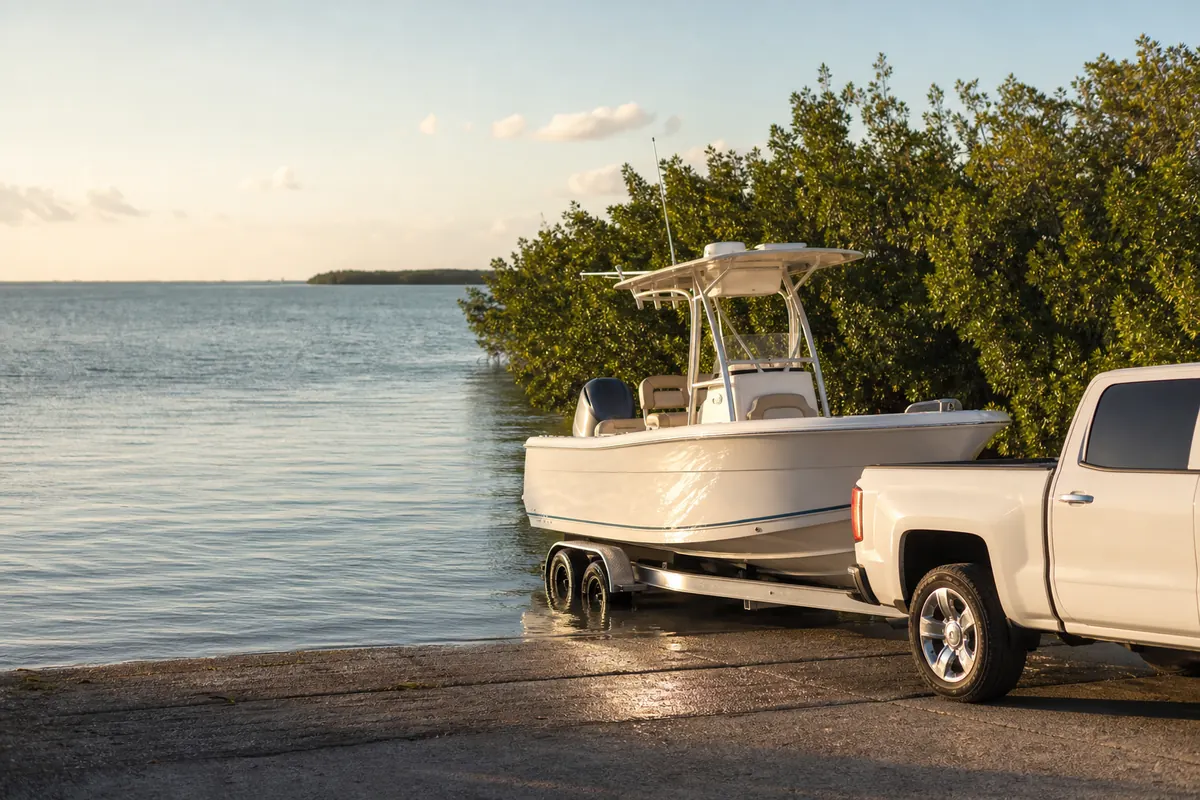
The bridges to Siesta Key and the John Ringling Causeway can bottleneck traffic when you are towing to the ramp. If you keep a boat in Sarasota, you have real exposure on the road, at the marina, and on the water. We help you sort out boat insurance options for this part of the Gulf Coast. That includes center consoles, pontoons, sailboats, personal watercraft, and trailers. A licensed agent follows up after we gather your details. You get practical guidance on what a policy may cover, where limits matter, and which choices fit the way you actually use your boat.
Sarasota Bay, the bayfront, and routes near US 41, Fruitville Rd, Bee Ridge Rd, and University Pkwy all shape how people use and store boats here. Some owners trailer every weekend. Others keep the boat at a marina or behind the house and use it seasonally. Coverage needs often change based on that pattern. We can help you review liability, hull protection, towing, trailer coverage, named-storm planning, and lender or marina requirements. The goal is to make the options understandable before you decide what to carry.
Boat Insurance Across Sarasota County and Nearby
- Sarasota, FL
- Bradenton, FL
- Venice, FL
- Lakewood Ranch, FL
- Osprey, FL
- Nokomis, FL
- Laurel, FL
- Siesta Key, FL
- Longboat Key, FL
- Palmer Ranch, FL
- Fruitville, FL
- Gulf Gate Estates, FL
- Sarasota Springs, FL
- Bee Ridge, FL
- Kensington Park, FL
- The Meadows, FL
- South Sarasota, FL
- Bayshore Gardens, FL
- South Bradenton, FL
- Oneco, FL
- Lido Key, FL
What Boat Policies May Include
Boat insurance is not one standard package. The right setup usually depends on the boat, motor, trailer, storage, financing, and where you plan to run it. Around Sarasota, storm planning and navigational limits deserve attention early, because they can affect whether a policy fits your real use.
Liability coverage
Liability coverage may help when you are responsible for injury or property damage involving the boat. That can matter at the dock, at the ramp, or out on the water. Limits vary, and some marinas may ask for proof of liability before they allow storage or slip use. If you carry guests often, or use busy areas around Sarasota Bay, it is worth reviewing whether the limit matches your exposure.
Hull coverage choices
Hull coverage generally addresses damage to your own boat from covered causes. One key choice is agreed value versus actual cash value. Agreed value typically sets a value up front for a total loss, subject to the policy terms. Actual cash value usually reflects depreciation at the time of loss. That difference can matter for newer boats, repowered boats, and well-kept vessels with added equipment or electronics.
Storm and haul-out planning
On this coast, named-storm terms deserve a careful read. Some policies may include haul-out reimbursement or spell out what steps are expected when a storm is forecast. Others may set separate deductibles or restrictions during a named storm. If your boat stays in the water, or you move it by trailer ahead of bad weather, we can help you compare how those details usually work and where the gaps may be.
Trailer and towing protection
Many owners focus on the boat and overlook the trailer. Trailer coverage may be listed separately or built into the policy structure, depending on the form. Towing and roadside help for the trailer can also differ from on-water towing. In Sarasota, a lot of use starts with a tow on I-75, US 41, or local roads to a launch. That makes it smart to review road exposure as well as water exposure.
Uninsured boater coverage
Some policies offer uninsured or underinsured boater coverage. This can be worth a look if you spend time in active boating areas where another operator may have little or no insurance. Availability and terms can vary. It is an optional feature, so it usually needs an active decision instead of an assumption. We can explain how it generally works and whether it makes sense for your boating pattern.
Navigational limits and lay-up
A boat policy may limit where you can operate the vessel. Those navigational limits matter if you plan to move beyond local bay use into Gulf trips or seasonal travel. Some policies also use lay-up periods, which are times when the insurer expects the boat to be out of use or stored in a certain way. If your use is year-round, those details should match reality before the policy is put in place.
Lender and marina requirements
Florida does not have a state boat insurance requirement, but lenders and marinas often do. A financed boat may need physical damage coverage and set lienholder terms. A marina may require liability limits and proof of insurance before granting a slip or dry storage arrangement. We help you check those requirements against the policy options so you are not surprised after the paperwork is requested.
Why Choose Us for Boat Insurance?
Local Use Comes First
We write for Sarasota area owners who deal with bay use, Gulf runs, seasonal traffic, and trailer trips across town. That local pattern affects what questions matter. We start with how your boat is stored, towed, and used, then point you toward options a licensed agent can review with you.
Plain Answers, No Guessing
Boat policies can read differently from auto policies, especially on named storms, navigational limits, and equipment. We keep the explanation direct. You can ask what a term usually means, what may be optional, and what needs extra attention before you choose a policy structure.
Built Around Your Situation
A center console on a trailer, a pontoon at dry storage, and a sailboat in a slip do not have the same needs. We do not force one template onto every owner. We collect the details that affect coverage so the follow-up is based on your boat and your use.
How to Review Options
List the Boat
Start with the basics. We will ask about the boat type, motor, trailer, value, financing, and added equipment. That gives the licensed agent a clear starting point instead of a rough estimate based on partial details.
Describe Real Use
Tell us where you boat, how often you tow, and where the boat stays when it is not in use. Sarasota Bay trips, Gulf runs, marina storage, and backyard storage can lead to different policy considerations.
Check Key Exposures
Next, review the items that usually matter most here. Liability, hull coverage, trailer protection, towing, named-storm terms, and navigational limits should all be checked against the way you actually use the boat.
Match Outside Requirements
If a lender or marina has insurance requirements, gather them early. We can help line those up with the policy options so the coverage discussion includes the documents or limits another party may ask to see.
Review Before Binding
Before anything is finalized, read the important terms with care. That includes deductibles, exclusions, lay-up provisions, covered operators, and the policy territory. A short review now may prevent the wrong fit later.
Check Florida Rules
For official Florida rules and consumer information, check the Florida Department of Highway Safety and Motor Vehicles and the Florida Department of Financial Services consumer helpline. Boat insurance itself is generally not required by the state, but registration, titling, towing, and other rules may still apply depending on your situation. Those agencies are the right place to confirm current requirements and consumer guidance. We can help you understand policy choices, but official state sources should answer rule questions.

What Affects the Cost
Boat insurance pricing usually turns on the boat, the motor, the trailer, and how you use and store them. Insurers often look at vessel type, age, size, speed, value, equipment, and whether the boat is financed. Storage matters too. A boat kept in the water may be viewed differently from one stored inland on a trailer or in dry storage. Your intended territory, seasonal use, and storm plan can also move the premium up or down.
The premium can also change based on details that are similar to other insurance lines. A stronger driving record may help when a trailer is part of the risk picture. Deductible choices, liability limits, and optional features such as towing or uninsured boater coverage may change the price. Where the trailer is parked, how often the boat is towed, and who in the household may operate or tow it can all matter when a policy is reviewed.
Boat Insurance Questions We Hear
Is boat insurance required in Florida?
Florida generally does not require boat insurance at the state level. Even so, a lender often requires coverage on a financed boat, and a marina may require liability coverage before allowing storage or slip access. That is why many Sarasota owners carry insurance even when the state does not require it.
What does boat insurance usually cover?
Coverage depends on the policy you choose, but a boat policy may include liability and physical damage protection for the boat. It may also offer options for equipment, trailer coverage, towing, medical payments, and uninsured boater protection. Storm terms, deductibles, and navigational limits should always be reviewed closely.
What is the difference between agreed value and actual cash value?
Agreed value usually means the boat is insured for a value set in advance, subject to the policy terms. Actual cash value generally reflects depreciation at the time of a covered loss. Owners often compare these options carefully when the boat is newer, highly maintained, or has added equipment that changes its value.
Do I need separate coverage for the trailer?
Often, yes, or at least a close review. Some policies may include trailer protection in a limited way, while others handle it more directly. Because many Sarasota owners tow on I-75, US 41, Fruitville Rd, or Bee Ridge Rd, trailer damage and towing-related exposure should be discussed instead of assumed.
Can a policy help with hurricane haul-out costs?
Some policies may offer haul-out reimbursement or named-storm features, but terms vary a lot. There may be separate deductibles, timing rules, or conditions about where the boat is moved and stored. If storm prep is part of your plan each season, that feature should be reviewed before a storm is on the map.
Contact Us Today for a Free Estimate
Ready to review boat insurance for your Sarasota vehicle or property? Tell us what you have and we will follow up.
Free, no obligation